Forest Trails
Paths through wooded areas offering shade, varied terrain, and rich ecological learning. Often gentler elevation changes with natural surface underfoot.
Understanding trails, terrain, and foundational skills for confident outdoor experiences.
Trails come in many forms, each with its own character and learning opportunities.
Paths through wooded areas offering shade, varied terrain, and rich ecological learning. Often gentler elevation changes with natural surface underfoot.
Routes at higher elevations with significant elevation gain, stunning views, and exposure to varied weather. Requires more planning and preparation.
Trails alongside rivers, streams, and lakeshores. Often provide access to water sources, cooler microclimates, and unique habitats.
Routes through grasslands and open country offering panoramic views, full sun exposure, and different navigation challenges.
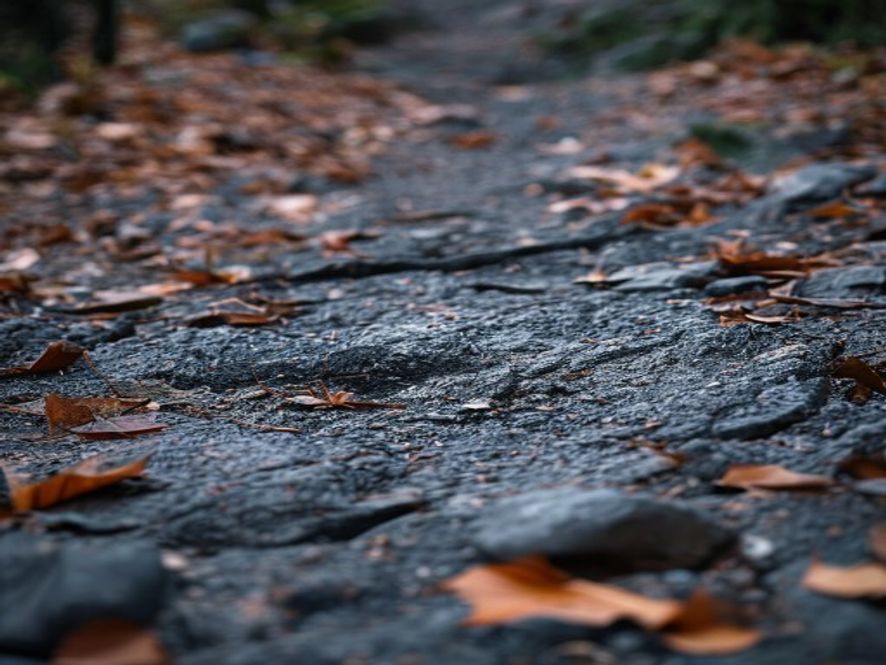
Trail conditions vary dramatically. Dirt paths require different footwork than rocky sections. Understanding what's beneath your feet helps you adjust your pace, posture, and balance.
Soft surfaces like mulch and packed dirt are forgiving on joints. Rocky terrain demands careful foot placement. Root systems and uneven terrain build proprioception and awareness. Each surface teaches your body different lessons.
Gear RecommendationsA framework for building skills and confidence gradually.
Short, well-maintained paths with minimal elevation change. Perfect for building baseline fitness and confidence. Examples: urban greenways, park loops, community nature preserves.
Moderate distance with noticeable elevation. Varied terrain, some rock sections. Requires pacing awareness and basic map-reading skills. Building endurance becomes central.
Longer distances, significant elevation, exposed sections, potential weather variables. Navigation skills and physical conditioning critical. Often requires early starts and contingency planning.
Extended expeditions through remote areas. Requires comprehensive planning, navigation without trail markers, camp management, and self-sufficiency in emergencies.
Good trail technique isn't about speed—it's about sustainability and safety. Proper foot placement, breathing rhythm, and body awareness transform your outdoor experience.
Learn to read the landscape for route-finding clues. Understand how to adjust pace for different terrain. Develop awareness of your body's feedback. These skills compound across your outdoor journey.
Connect With Us
Finding your way with confidence and awareness.
Learn to interpret topographic maps, contour lines, and trail markings. Understanding the landscape's 3D structure builds confidence for route-finding.
Most maintained trails have blazes—painted marks on trees showing the correct path. Understanding different marking systems prevents wrong turns.
Develop skills for reading natural landmarks: ridgelines, valleys, water flow direction. These become navigation tools in areas without marked trails.
Understand how terrain, elevation, and fitness affect your pace. Estimating travel time prevents surprises and enables better decision-making.
Responsible outdoor practices for sustainable trail experiences.
Practical steps for a successful initial experience.