Footwear
Proper hiking boots or shoes reduce foot fatigue and prevent ankle strain. Choose based on trail difficulty and terrain.
Strategic planning, appropriate gear, and mental readiness for confident outdoor experiences.
Before stepping onto any trail, thorough preparation multiplies your safety and enjoyment. This isn't about paranoia—it's about making informed decisions with confidence.
Preparation covers three domains: physical readiness, equipment appropriateness, and knowledge of your destination. Each element supports the others.
Get Full Resources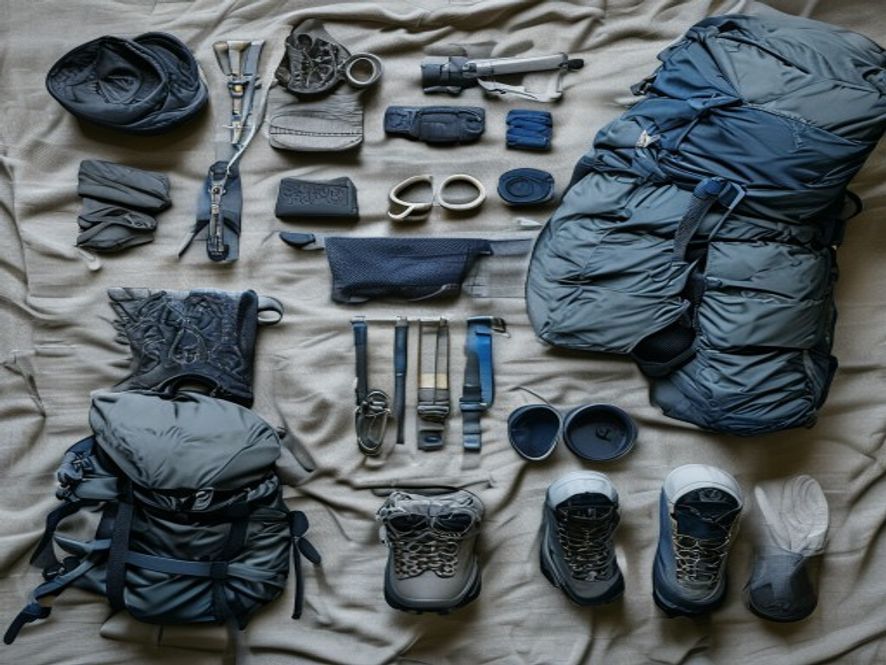
Understanding what to bring and why each item matters.
Proper hiking boots or shoes reduce foot fatigue and prevent ankle strain. Choose based on trail difficulty and terrain.
Water is essential. A 2–3 liter capacity allows flexibility based on trail water sources and distance.
Sunscreen, hat, and sunglasses prevent overexposure damage. UV protection becomes critical at higher elevations.
Basic supplies for minor injuries: bandages, antibiotic ointment, pain relief. Customize based on your medical profile.
Map, compass, or GPS device. Know how to use them before the trail. Offline maps reduce battery dependency.
Layer appropriately for season and elevation. A waterproof shell and insulating layer covers most conditions.
A framework for organizing what you carry.
Boots, base layers, hat, sun protection.
Heavy items: water, food, tools.
Medium items: layers, emergency gear.
Frequent-access items: snacks, map, phone.
This packing order keeps weight distributed well and enables easy access to what you need during the adventure.
Building capacity gradually over weeks and months.
Foundation Building: Regular walking or light activity 4–5 times weekly. Start with 2–3 mile walks on relatively flat terrain. Build a baseline habit.
Progressive Increase: Extend distances to 3–5 miles. Introduce slight elevation if possible. Wear your actual hiking footwear to adjust fit and feel.
Specific Preparation: Do one trail close to your planned difficulty. Carry your loaded pack. Practice navigation with your tools. Assess readiness honestly.
Rest & Finalize: Reduce intensity. Confirm weather, trail conditions, and logistics. Get good sleep. Review your plan one final time.

Beyond gear and training, mental readiness shapes your experience. Understanding your motivations, setting realistic expectations, and building confidence are crucial.
Know your limits and respect them. Understand that turning back is not failure—it's wisdom. Build confidence through gradual progression, not reckless ambition.
Learn Trail Techniques